GenBox Free Tools (genbox.eu)
Europe Builds a Ceiling on Chinese Hybrids
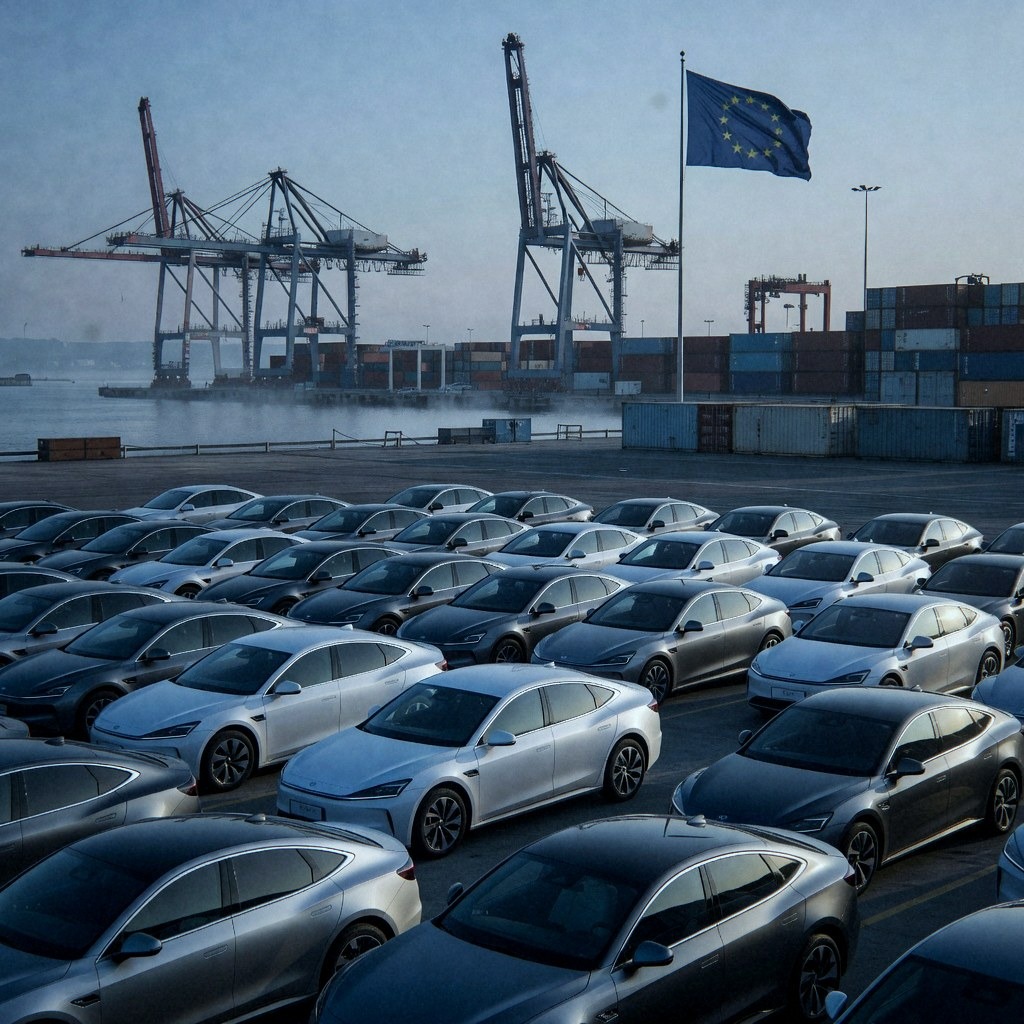
I have spent most of my engineering career inside electric powertrains, and I have watched the Chinese hybrid wave roll into Europe the way a flash flood hits a dry wash. Fast, quiet, and impossible to argue with once it is already on you. On Friday, Brussels finally did something it almost never does. It got the flood to slow down on paper.
After two days of talks in Beijing, EU trade commissioner Maroš Šefčovič announced that China had agreed to “moderate” its exports of hybrids and plug-in hybrids (PHEVs) to the European Union. The headline number is brutal in its simplicity: a shared understanding that could cut Chinese hybrid shipments to the bloc by more than half over the next four years. Šefčovič put the practical effect at “several millions of cars” that will now never reach European roads.
For anyone who follows this industry, that is not a footnote. It is the first time Beijing has agreed to restrain a strategic export without first being dragged through a formal trade investigation. As Šefčovič put it, it is “the first time that China has accepted to moderate its exports without going through the phase of prior trade tension.” Read that twice. The mechanism that usually takes years under WTO rules just happened at a negotiating table.
The numbers behind the flood
Let me give you the context, because the deal only makes sense against the arithmetic.
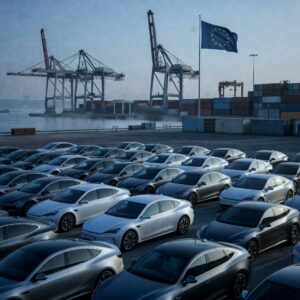
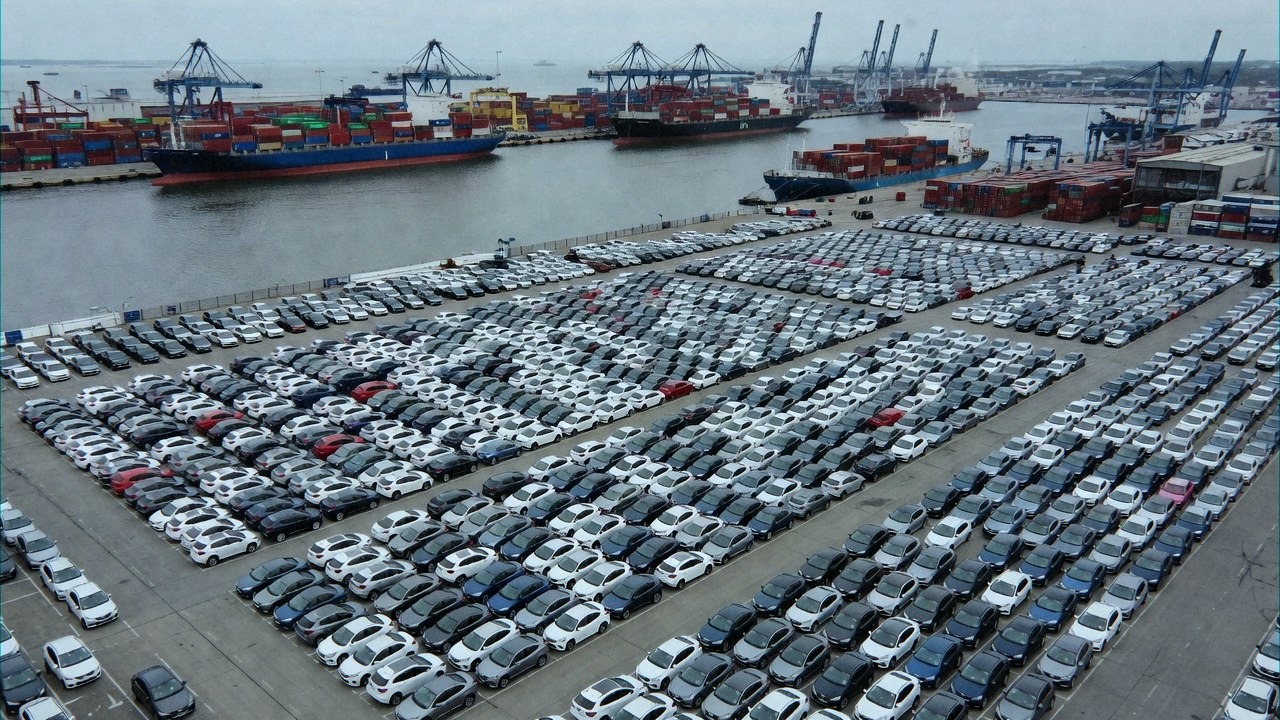
Europe has been buying Chinese cars at a pace that spooked even the optimists. According to Dataforce data, Chinese brands hit a record share of roughly 12 percent of EU new-car sales in August, and one in eight cars sold in the bloc that month carried a Chinese badge. In the first half of 2026 alone, Chinese brands moved 662,905 vehicles into Europe, up 107 percent year on year, for a 9.2 percent market share. BYD logged 232,600 registrations across Europe, up 144 percent, with MG close behind at 229,638 units.
The engine of that surge was not the battery-electric car you read about in 2023. It was the hybrid. Chinese PHEV sales into Europe jumped 313 percent in early 2026 and now account for more than a third of the continent's plug-in hybrid market. When Brussels slapped tariffs on Chinese battery-electric vehicles, Chinese manufacturers did what any good engineer does when you block one path: they found another. The hybrid became the bypass, and it worked beautifully.
The money behind all of this is real. EU imports from China totaled around $560 billion last year, up from $517 billion in 2023, while the bloc's overall trade deficit with China ran to nearly €360 billion in 2025 and is already climbing again this year, up roughly 12 percent so far. Chinese automotive exports to the EU alone came to €15.1 billion last year. Šefčovič has described that deficit as running at more than a billion euros a day. That is the pressure cooker the deal was cooked in.
Why hybrids became the battleground
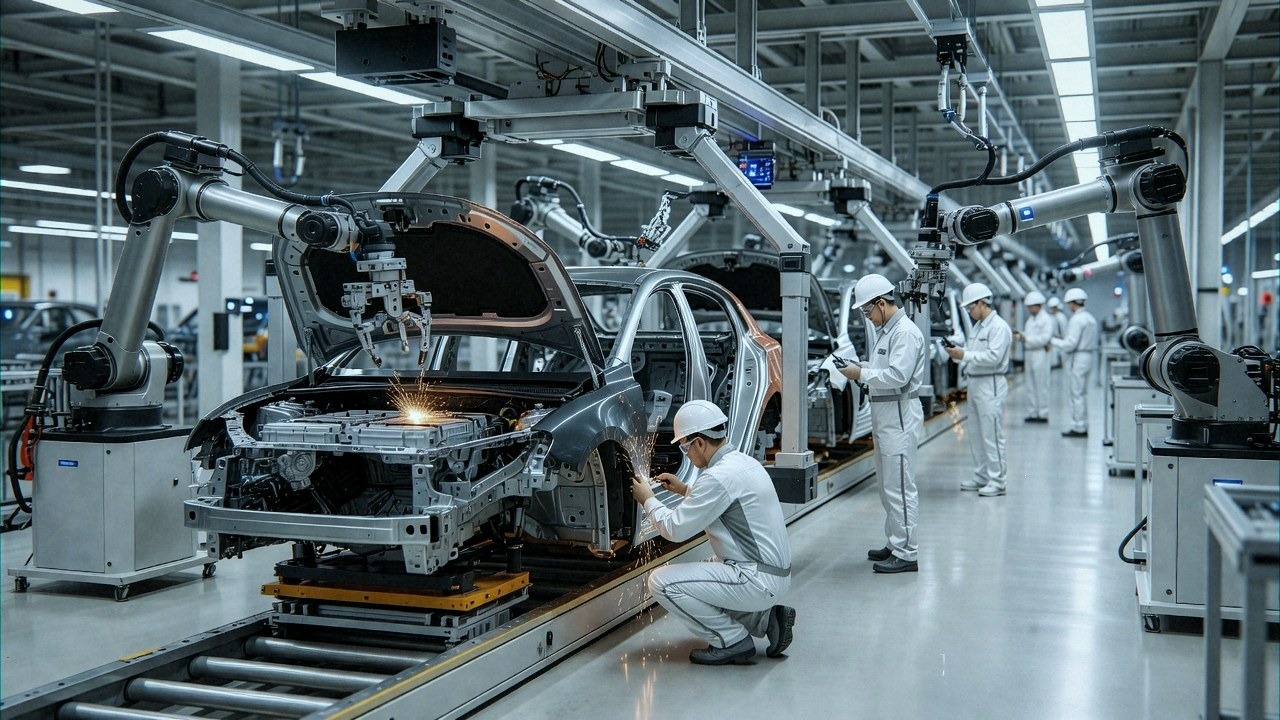
Here is the part the trade headlines tend to miss. Hybrids are the segment where European legacy manufacturing is most exposed. A battery-electric vehicle is a software problem with wheels, and Europe is slowly learning to compete on that. A plug-in hybrid still uses a combustion engine, a gearbox, and a whole chain of conventional parts, which means it competes directly with the assembly lines, suppliers, and jobs that Germany, France, Italy, and Spain have spent a century building.
The pressure has already shown up in balance sheets. Volkswagen and Mercedes-Benz have both announced job cuts and plant closures as they try to absorb the low-price competition. Šefčovič did not hide the political reality, saying every member state recognized “literally thousands of job losses” at risk from the flood of cheap imports across sectors from cars to chemicals and textiles. Germany and France had strengthened his hand going into Beijing by openly calling for a tougher trade instrument if China would not move.
So the deal is best understood as a stress valve, not a cure. By moderating hybrids specifically, Brussels is protecting the exact segment where its own industrial base still has something to lose.
What is actually in the deal
The hybrid agreement sits inside a broader 16-point set of “consensus outcomes” released by China's Commerce Ministry. The mechanics are deliberately vague, and that matters.
The most concrete mechanism floated is a framework of “company price undertakings,” which is trade language for setting minimum prices on Chinese cars sold in Europe. Instead of an outright cap or a tariff, and instead of the safeguard measures Brussels has been considering, the two sides appear to be heading toward a floor under the price tags. Enforcement details, quotas, and actual numbers were all left for later.
What came alongside is just as telling. Beijing agreed to lower duties on around €4 billion of European goods, from olive oil to footwear and car parts, a move the EU estimates will save its exporters about €225 million. China also said it would continue fast-tracking export licenses for rare earths and permanent magnets bound for the EU, the materials that forced assembly lines to a halt when Beijing restricted them the year before. And both sides committed to keep talking on food and drink access for the EU, with the next formal meeting set for March 2027 and a video call in January.
The catch I would flag as an engineer
I am not going to pretend this is a done deal, because the engineering discipline is to separate the model from the real machine.
First, everything requires approval from all 27 EU leaders, who take it up at a summit in Brussels. Šefčovič is briefing diplomats ahead of that, but a summit is where good announcements go to be watered down. Second, “moderate” is not a number. The EU had earlier asked China to voluntarily cap hybrids at around 15 percent of the European market, and China had reportedly pushed back. Whether the final text holds a firm ceiling or a soft understanding will decide whether this is a trade policy or a press release.
Third, and this is the part that keeps engineers up at night, this framework depends on cooperation with the very supplier base Europe is trying to become independent of. The rare earths concessions cut both ways. The same agreement that slows car imports also smooths the flow of the magnets and materials Europe needs to build its own electrified vehicles. That is a real gain for European factories, but it is also leverage China did not give up for free.
What it means at the trailhead
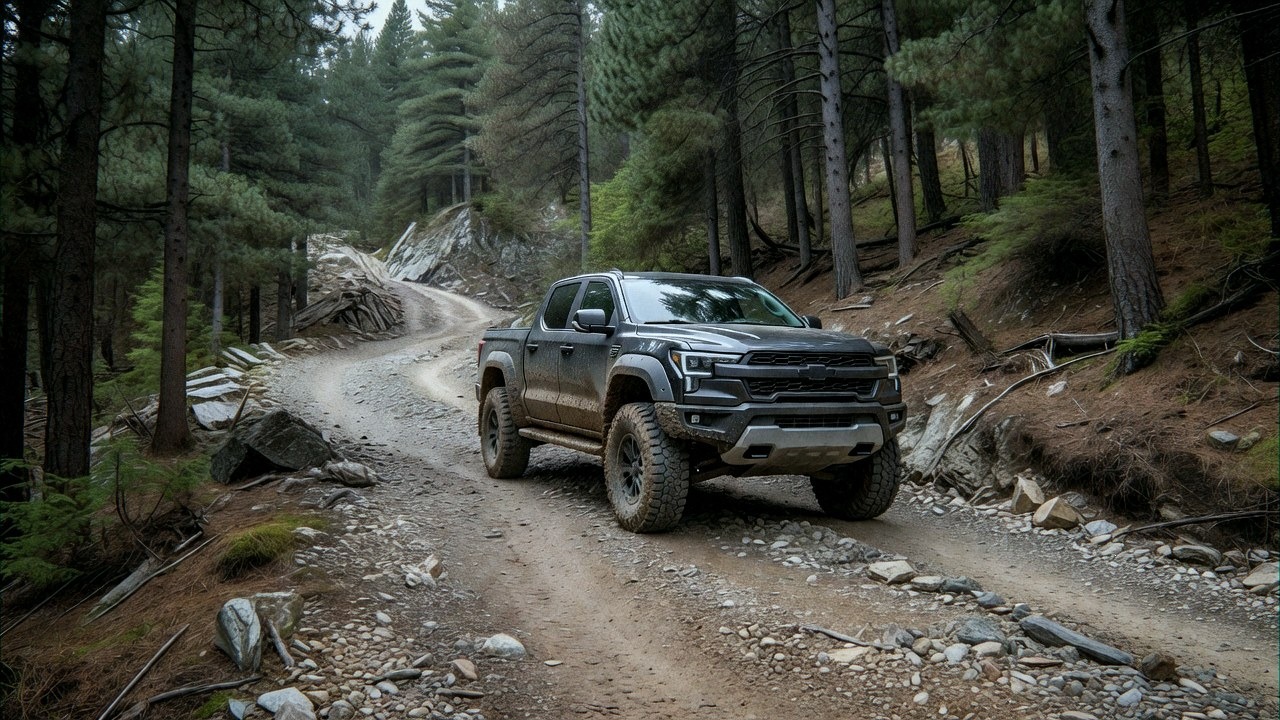
For the off-road and overland crowd, the deal lands in a strange place. The Chinese hybrids that Brussels just put a ceiling under are, in cold engineering terms, some of the most compelling machines for our use case. Plug-in hybrid pickups and SUVs, built for low-speed torque, serious towing, and real range without charging anxiety, are exactly the answer for people who leave the pavement behind. If European supply of those vehicles gets trimmed by half, prices for what remains will not go down.
That creates a genuine irony. A policy designed to protect European industry may slow the flow of the very hybrid technology that pushes the whole sector toward electrification. The transition does not care about trade borders. Every hybrid that stays in China in 2026 is a PHEV that does not help a single European driver cut their fuel bill on a mountain pass this winter.
My own view is that the smart play now sits with Europe's own manufacturers. The window this deal opens is short and it is time, not shelter. If Volkswagen, Stellantis, and the rest use it to ship competitive hybrid off-roaders and PHEV workhorses, the agreement will look visionary. If they use it to keep building cars nobody wants at prices nobody will pay, the flood comes back the moment the cap expires, and no 16-point statement will save a plant.
Either way, this is the first time in this whole messy saga that a brake pedal has been installed rather than just a complaint. As a working engineer, I can respect that. I just want to see the actual dyno numbers before I call it a breakthrough.